Introduction
Regular eye exams play a key role in keeping your eyes healthy. These exams help with the early detection of eye diseases. When you visit an eye doctor, they check your vision and look for signs of problems. Early detection can prevent vision loss and other serious issues. Even if you feel fine, regular eye exams are important for everyone.
Why Early Detection Matters
Early detection of eye diseases can save your sight. Many eye problems do not show symptoms at first. However, if left untreated, they can cause permanent vision loss. For example, catching a problem early allows for simple treatments. On the other hand, late diagnosis may need more complex care. According to the CDC, half of all blindness can be prevented with early care. So, regular eye exams help you avoid serious risks.
Common Eye Conditions Detected Early
During an eye health checkup, doctors can find many conditions early. Some of the most common include:
Because these conditions may not cause pain or early warning signs, regular eye exams are the best way to catch them.
What to Expect During an Eye Exam
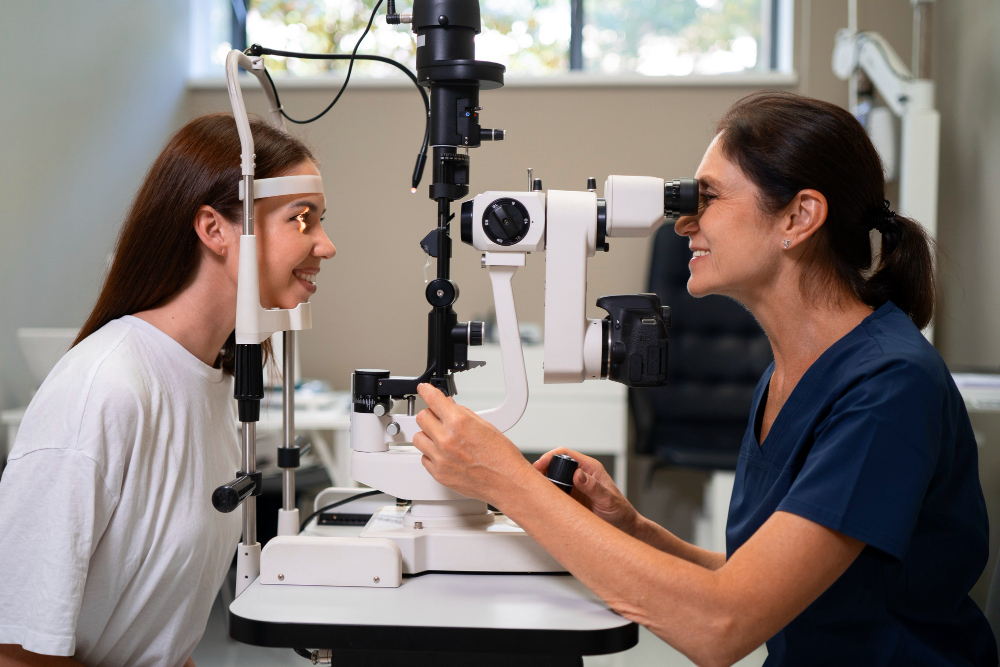
Many people feel nervous about eye exams. However, the process is simple and painless. Here is what usually happens:
After the exam, the doctor explains the results and answers your questions. Most visits take less than an hour.
How Often Should You Get an Eye Exam?
How often you need an eye exam depends on your age and health. Here are some general guidelines:
If you notice changes in your vision, schedule an eye exam right away. Many clinics offer “eye exams near me” for your convenience.
Tips for Maintaining Eye Health
Besides regular eye exams, you can take steps to keep your eyes healthy. For example:
These habits, along with regular eye exams, help prevent vision loss.
Conclusion & Call-to-Action
In summary, regular eye exams are vital for early detection of eye diseases. They help prevent vision loss and maintain your eye health. Don’t wait for symptoms to appear schedule a comprehensive eye exam with a qualified specialist at Eyezone Eye Hospital today to protect your vision.